















The Nigerian government on Thursday released the list for the 2013/2014 National Honours Award recipients. The list containing 307 names had President Goodluck Jonathan's steward, a traffic warden and others included.
The Investiture will hold on Monday, 29th September 2014 at the International Conference Centre, Abuja.
See full list below:
LIST OF 2013/2014 NATIONAL HONOURS AWARD
AIR MARSHAL ALEX SABUNDU BADEH CHIEF OF DEFENCE STAFF CFR
MAJ. GEN. KENNETH MINIMAH CHIEF OF ARMY STAFF CFR
REAR ADMIRAL USMAN JIBRIN CHIEF OF NAVAL STAFF CFR
AIR VICE MARSHAL ADESOLA AMOSU CHIEF OF AIR STAFF CFR
ALHAJI SULAIMAN ABBA ACTING INSPECTOR GENERAL OF POLICE CFR
HON. JUSTICE BOLARINWA O. BABALAKIN FMR. SUPREME COURT, JUDGE CFR
HON. JUSTICE ABUBAKAR BASHIR WALI JUSTICE OF THE SUPREME COURT, (RTD) CFR
HON. JUSTICE IBRAHIM TANKO MUHAMMAD JUSTICE OF THE SUPREME COURT CFR
HON. JUSTICE CHRISTOPHER M.CHUKWUMA – ENEH JUSTICE OF THE SUPREME COURT CFR
HON. JUSTICE MUHAMMAD S. MUNTAKA COOMASSIE JUSTICE OF THE SUPREME COURT CFR
HON. JUSTICE JOHN AFOLABI FABIYI JUSTICE OF THE SUPREME COURT CFR
HON. JUSTICE OLUFUNLOLA OYELOLA ADEKEYE JUSTICE OF THE SUPREME COURT CFR
MOHAMMED SAMBO DASUKI NATIONAL SECURITY ADVISER CFR
BUKAR GONI AJI FORMER HEAD OF SERVICE OF THE FEDERATION CFR
MR. DANLADI I. KIFASI, OON, mni HEAD OF SERVICE OF THE FEDERATION CFR
AMB. AYO OKE DIRECTOR-GENERAL, NATIONAL INTELLIGENCE AGENCY CFR
HRM OBA DR. VICTOR ADEMEFUN A. KILADEJO TRADITIONAL RULER CFR
CHIEF PHILIP C. ASIODU OUTSTANDING PUBLIC SERVANT CFR
BRIG. GEN. JONES O. AROGBOFA (RTD) CHIEF OF STAFF TO THE PRESIDENT CFR
HRH ALAYELUWA OBA (DR.) JIMOH OYEWUMI A.TRADITIONAL RULER CFR
CHIEF KOLAWOLE BABALOLA JAMODU, OFR
FORMER MINISTER/ PRESIDENT OF M.A.N. CFR
CHIEF OLUDOLAPO IBUKUN AKINKUGBE ENTREPRENEUR CFR
CHIEF (DR.) EMMANUEL C. IWUANYNWU BUSINESS MAN CFR
JIMOH IBRAHIM FOLORUNSHO, OFR ENTREPRENEUR CFR
ALHAJI IBRAHIM ADEJOH IDRIS FORMER GOVERNOR CON
HON. JUSTICE OLATOKUNBO ODUYINKA OLOPADE CHIEF JUDGE, OGUN STATE CON
HON. JUSTICE ALOY NWEKE NWANKO CHIEF JUDGE, EBONYI STATE CON
HON. JUSTICE ISUA IDONGESIT NFEM BASSEY CHIEF JUDGE, AKWA IBOM STATE CON
HON JUSTICE NASIRU A, AJANAH CHIEF JUDGE, KOGI STATE CON
HONOURABLE JUSTICE HAKILA YALAH HEMAN CHIEF JUDGE, GOMBE STATE CON
HONOURABLE JUSTICE KATE ABIRI CHIEF JUDGE, BEYELSA STATE CON
ALH. ABDULKADIR SAIDU TAMBUWAL GRAND KHADI, SOKOTO STATE CON
HON. JUSTICE AMINA ADAMU AUGIE JUSTICE OF THE COURT OF APPEAL CON
HON. JUSTICE ABUBAKAR JEGA ABDUL-KADIR
JUSTICE OF THE COURT OF APPEAL CON
DR. PETER ODILI FORMER GOVERNOR CON
ENGR. MUHAMMED ABBA GANA FORMER MINISTER CON
CHIEF THOMAS IKEOKWUADEM AGUIYI-IRONSI FORMER MINISTER CON
HM OBA (DR.) FREDRICK E. OBATERU AKINRUNTAN TRADITIONAL RULER CON
AMB. DAN SULEIMAN FORMER AMBASSADOR CON
OLOROGUN FELIX O. IBRU BUSINESS MAN CON
CHIEF OLUSEGUN OLADIPO OSUNKEYE CHAIRMAN, NESTLE PLC CON
HON JUSTICE ALI UMAR ERI FORMER C.J. KOGI STATE/DG NATIONAL JUDICAL INSTITUTE CON
HAMIDU GAMBARI ERUBU RETIRED CIVIL SERVANT/ PROMINET
EDUCATIONIST FOR OVER 50 YEARS CON
JUSTICE OBANDE FESTUS OGBUINYA JUSTICE OF THE COURT OF APPEAL CON
CHIEF JOHN E. KENNETH ODIGIE OYEGUN FMR. GOVERNOR CON
CHIEF TOM IKIMI POLITICIAN/FMR. MINISTER CON
AHMAD RUFA’I SANI SENATOR /FMR. GOVERNOR CON
HRH MUHAMMODU ISA MUHAMMADU TRADITIONAL RULER/EMIR OF JAMA’A CON
ERELU OLUSOLA I.A. OBADA FORMER DEPUTY GOVERNOR/FORMER MINISTER CON
MR. MUTIU OLANIYI A. SUNMONU M.D. SPDC CON
HON. JUSTICE P.D. DAMULAK CHIEF JUDGE, PLATEAU STATE CON
CHIEF (DR.) MICHAEL OLAWALE COLE FORMER PRESIDENT, NIGERIAN INSTITUTE OF MANAGEMENT CON
CHIEF (DR.) MRS. ONIKEPO AKANDE FORMER MINISTER CON
SEN. NKECHI J. NWAOGU SENATOR CON
SEN. CHRISTOPHER BABAJIDE OMOWORARE SENATOR CON
DAME VIRGY N. ETIABA FORMER DEPUTY / ACTING GOVERNOR/ EDUCATIONIST CON
SENATOR IYIOLA OMISORE FMR. SENATOR/FMR DEPUTY GOVERNOR CON
SEN. MARAFA KABIR GARBA SENATOR CON
UMAR AYINLA SARO BUSINESSMAN CON
FUNSO K. LAWAL, OON INDUSTRIALIST CON
CHIEF (DR.) THEODORE AHAMEFULA ORJI GOVERNOR CON
MALLAM ISA YUGUDA GOVERNOR CON
BARR. SULLIVAN IHEANACHO CHIME GOVERNOR CON
DR OLUSEGUN MIMIKO GOVERNOR CON
ALHAJI SA’IDU USMAN NASAMU DAKINGARI GOVERNOR CON
DA DAVID JONAH JANG GOVERNOR CON
SENATOR IBIKUNLE AMOSUN GOVERNOR CON
DR JOHN KAYODE FAYEMI GOVERNOR CON
BRIG. GEN. RAJI RASAKI (RTD) FORMER MILITARY ADMINISTRATOR CON
MALLAM IBRAHIM SHEKARAU HON. MINISTER CON
PROF. CHINEDU O. NEBO, OON HON. MINISTER CON
MRS. SARAH RENG OCHEKPE HON. MINISTER CON
ARC. MIKE ONOLEMEMEN HON. MINISTER CON
MR. LABARAN MAKU HON. MINISTER CON
HAJIYA ZAINAB MAINA, MFR HON. MINISTER CON
ARC. MUSA MOHAMMED SADA HON. MINISTER CON
AMB. BASHIR YUGUDA HON. MINISTER CON
MR. EZENWO NYESOM WIKE HON. MINISTER CON
SENATOR FEMI OKUNRONMU SENATOR CON
MR. OLATUNDE JOHN AYENI CHAIRMAN, SKYE BANK PLC CON
MR. GODWIN EMEFIELE GOVERNOR, CBN CON
SENATOR GEORGE THOMPSON SIKIBO JP SENATOR CON
MAJOR GEN. SURAJ ALAO ABDULRAHMAN FORCE COMMANDER, LIBERIA ARMED FORCES CON
DR. ABDUALLAHI UMAR GANDUJE DEPUTY GOVERNOR, KANO STATE OFR
AMB. (DR.) MARTIN IHOEGHIAN UHOMOIBHI PERMANENT SECRETARY, MINISTRY OF FOREIGN
AFFAIRS OFR
KOBIS ARI THIMNU SSG, ADAMAWA OFR
ALH. SAHABI ISA GADA SSG, SOKOTO STATE OFR
PROF. MKPA AGU MKPA SSG, ABIA STATE OFR
GARVEY ACHEN YAWA SSG, TARABA STATE OFR
HANNATU INTI UGAH (MRS) HEAD OF SERVICE, KADUNA STATE OFR
MAJ. GEN. SHEHU USMAN ABDULKADIR PIONEER FORCE COMMANDER, FIRST AFRICAN
UNION AND ECOWAS PEACE MISSION IN MALI OFR
BOLAJI AYORINDE, SAN LEGAL PRACTITIONER OFR
ENGR. (CHIEF) AMIN IBRAHIM MOUSSALLI GROUP MANAGING DIRECTOR AIM GROUP LTD OFR
CHIEF GAFAR KAYODE ANIMASAHUN GROUP MANAGING DIRECTOR AIM GROUP LTD OFR
PA. MICHAEL TAIWO AKINKUNMI DESIGNER OF THE NATIONAL FLAG OFR
MIKE AGBEDOR ABU OZEKHOME (SAN) LEGAL PRACTITIONER OFR
CHIEF SIMON NSUNNDU OKEKE FMR. CHAIRMAN POLICE SERVICE COMMISSION OFR
HRH. ABUBAKAR UMAR SULEIMAN TRADITIONAL RULER OFR
CHIEF VICTOR UMEH POLITICIAN OFR
ALHAJI BUHARI BALA FORMER MINISTER OFR
SENATOR UMAR ABUBAKAR ARGUNGU SENATOR OFR
PROF. OLOYEDE IS-HAQ OLAREWAJU FORMER VICE CHANCELLOR UNIVERSITY OF ILORIN
OFR
DR. GREGORY IKECHUKWU IBE VISITOR GREGORY UNIVERSITY OFR
CHIEF JOE KYARI GADZAMA, SAN, MFR LEGAL PRACTITIONER OFR
SIR EMMANUEL N. MADUEKWE CHAIRMAN FIRST TARZAN MOTORS LTD OFR
CHIEF ADENIGBA F. FADAHUNSI RTD CUSTOM OFFICER OFR
HRH. PRINCE AL WALEED BIN TALAL FOREIGN INVESTOR OFR
JUDE NNODUM, SAN LEGAL PRACTITIONER OFR
DAFE AKPEDEYE, SAN LEGAL PRACTITIONER OFR
DR. IGWE AJA-NWACHUKWU PRO. CHANCELLOR, EBONYI STATE UNIVERSITY OFR
MR. ERICO MONFRINI LEGAL PRACTITIONER OFR
PROF. PETER T. AKPER, SAN LEGAL PRACTITIONER OFR
ENGR. BEKINBO R. DAGOGO-JACK CHAIRMAN, PRESIDENTIAL TASK FORCE ON POWER OFR
AMB. GODSON ONYEMACHI ECHEGILE FORMER AMBASSADOR OFR
PROF. WILLIAMS BARNABAS QURIX VC, KADUNA STATE UNIVERSITY OFR
ALAHAJI SANI SIDI D.G . NATIONAL EMERGENCY MANAGEMENT AGENCY (NEMA) OFR
SHEIKH ABDULHAFEEZ ABOU RELIGIOUS LEADER OFR
BRIG. GENERAL NNAMDI OKORIE AFFIA FORMER D.G. NATIONAL YOUTH SERVICE CORPS OFR
RT. HON. BATHEL NNAEKA AMADI SPEAKER, PAN AFRICAN PARLIAMENT OFR
DR. ALEX C. OTTI M.D. DIAMOND BANK PLC OFR
ENGR. M. A. K. ABUBAKAR, MFR DEPUTY CHIEF OF STAFF TO THE PRESIDENT OFR
LT. GEN. CHIKADIBIA ISAAC OBIAKOR CHAIRMAN UNITED NATIONS BOARD OF INQUIRY IN ABIYEI OFR
MR. MIKE OMERI AGBO-OMERI DG. NATIONAL ORIENTATION AGENCY OFR
UKURA SAMUEL TYONONGO, FCA AUDITOR GENERAL FOR THE FEDERATION OFR
MR. JONAH OGUNNIYI OTUNLA ACCOUNTANT GENERAL OF FEDERATION OFR
BASHORUN SEINDE AROGBOFA EDUCATIONIST/AUTHOR OFR
MR. JOHN KENNEDY OPARA PUBLIC SERVANT OFR
DR. VALERIE AZINGE SECRETARY, NATIONAL CONFERENCE OFR
MR. DAVID SHIKFU PARRADANG COMPTROLLER GENERAL OF IMMIGRATION OFR
HONOURABLE ARUA ARUNSI MEMBER, HOUSE OF REPRESENTATIVE OFR
PROF. BARTHOLOMEW OKOLO FORMER VC, UNIVERSITY OF NIGERIA NSUKKA OFR
MRS. CATHERINE UJU IFEJIKA MANAGING DIRECTOR, BRITENIA–U NIG. LTD OFR
FAITH TUEDOR MATHEWS GROUP MANAGING DIRECTOR/CEO MAINSTREET BANK OFR
PROF. KIMSE AMAEBI BIYE OKOKO CHAIRMAN, COMMITTEE OF PRO-CHANCELLORS OFR
PROF. EPIPHANY AZINGE DIRECTOR-GENERAL, NIGERIAN INSTITUTE OF ADVANCED LEGAL STUDIES (NIALS) OON
DIG SULEIMAN DAUDA FAKAI DIG OON
ATIKU YUSUF KAFUR DIG OON
EMMANUEL ONYEDIKACHI UDEOJI DIG OON
PETER YISA GANA DIG OON
DIG. MARVEL ENAJERO AKPOYIBO DIG OON
ABDEL RAHMAN OLAJIDE AKANO DIG OON
PHILEMON IBRAHIM LEHA DIG OON
JALAL AHMAD ARABI STATE HOUSE COUNSEL OON
HON. JUSTICE GABZIU ADEMOLA BAKRE RTD. JUDGE OON
MAJ. GEN. FELIX O. A. IORSHASE (RTD) FORMER PROVOST MARSHAL NIGERIA ARMY OON
ADAMU MUHAMMED GARIN GABAS PERMANENT SECRETARY IN JIGAWA STATE OON
CHIEF (DR.) FABIAN NWAORA BUSINESS MAN OON
PROF. OSITA OGBU ACADEMICIAN OON
MR. AKINSANYA SUNNY AJOSE RETIRED HEAD OF SERVICE, LAGOS STATE OON
MAJ. GEN. SUNDAY NLEMCHUKWU CHIKWE FORMER GOC 81 DIVISION, NIGERIA ARMY OON
PROF. ISRAEL OLATUNJI ORUBULOYE ACADEMICIAN OON
PROF ANDREW JONATHAN NOK ACADEMICIAN OON
PROF. CYPRIAN OGBONNA ONYEJI VICE CHANCELLOR, ESUT OON
PROF. OPEOLUWA OLADEINDE ADEKUNLE
MEMBER POST GRADUATE COMMITTEE, ACADEMIC HEALTH SERVICE COMPUTER OF
EASTERN CAPS OON
MR. OSCAR ONYEMA CEO, NIGERIAN STOCK EXCHANGE OON
DR. PATRICK I. OKPAH BUSINESS MAN OON
AMB. ALIYU DALA HASSAN DIPLOMAT OON
FOLUSHO OLANIYAN (MRS) MANAGING DIRECTOR, UTC NIG. PLC OON
MOHAMMED SANI KALLAH RESEARCHER OON
OTUNBA THEOPHILUS OLUWOLE AKINDELE ENGINEER OON
BEN MURRAY – BRUCE (MR) BUSINESSMAN OON
HRM. OVIE RICHARD L. OGBON TRADITIONAL RULER OON
SIR STEVE B. OMOJAFOR CHAIRMAN ZENITH BANK PLC OON
MR. CHUKWUEMEKA GODSWILL ONWUKA CHAIRMAN ENTERPRISE BANK OON
ALH. SULEIMAN YAHAYA CHAIRMAN NAHCO OON
CHIEF (SIR) EMMANUEL UMEOHIA CEO, EMABUMEH AND SONS LTD OON
ABUBAKAR LADAN ZARIA MUSICIAN OON
MR. BERNARD O. N. OTTI GED FINANCE AND ACCOUNTS NNPC OON
DR. AMINU LADAN SHAREHU DG/CEO, NATIONAL TEACHERS INSTITUTE KADUNA OON
MR. JOSEPH OLUREMI AKANDE COMMISSIONER FCSC, ABUJA OON
AMB. CHUKWUDI N. OKAFOR NIGERIA’S AMBASSADOR TO THAILAND OON
MR. ADEYEMO M. TUNDE ACCOMPLISHED CIVIL SERVANT OON
DR. SHEHU YAHAYA EXECUTIVE DIRECTOR AFRICAN DEVELOPMENT BANK (ADB) OON
CECILIA AKINTOMIDE SECRETARY, ADB TUNISIA/ IVORY COAST OON
MAHMOOD AHMADU CEO. OLS SERVICES OON
DR. ADO JIMADA GANA MUHAMMAD CIVIL SERVANT OON
DR. ABDULLAHI Y. SHEHU DG. INT. GOVT. ACTION AGAINST MONEY LAUNDRING IN WEST AFRICA
OON
AMB. BINA CITIP SELCHUM DIPLOMAT OON
AMB. ESTHER AUDU (MRS) NIGERIA’S HIGH COMMISSIONER TO THE GAMBIA OON
MANU GARBA (MFR) CHIEF COACH, UNDER 17 FOOTBALL TEAM OON
MRS. BEATRICE E. JEDY-AGBA EXECUTIVE SECRETARY NAPTIP OON
OBONG MICHAEL A. AFANGIDEH ENTREPRENEUR/ POLITICIAN OON
HIS EMINENCE IME A. UMOETTE RELIGIOUS LEADER OON
HRM OFFONG (ENG) EFFIONG ROBIN ASABI TRADITIONAL RULER OON
ALHAJI MUHAMMADU NADADA UMAR FORMER DIRECTOR-GENERAL SMEDAN OON
ALHAJI GIMBA YA’U KUMO MANAGING DIRECTOR, FEDERAL MORTGAGE BANK OF NIGERIA
OON
BOMA OZOBIA, LLM FORMER PRESIDENT COMMONWEALTH LAWYERS ASSOCIATION OON
PROF. SHEHU ARABU RISKWA FORMER VC, USMAN DANFADIO UNIVERSITY, SOKOTO OON
DR. (CHIEF) DAVID OGBA ONUOHA ENTREPRENEUR OON
IBRAHIM MOHAMMED MERA PUBLIC SERVANT/DCG CUSTOMS OON
PETER DEDEVBO COACH UNDER 20 NATIONAL FEMALE FOOTBALL TEAM OON
DR. AKILU NDABAWA SECRETARY PRESIDENTIAL ADVISORY COMMITTEE ON NATIONAL CONFERENCE OON
PROF. ABDUL GANIYU AMBALI VC UNIVERSITY OF ILORIN OON
IDRIS ABIODUN JAWANDO RETIRED DIRECTOR ENGINEERING CIVIL AND SANITARY INFRASTRUCTURE
OON
STELLA UGBOMA PROMINENT LAWYER, FMR. PRESIDENT OF FIDA OON
MRS. KATHERINE PHILIP ADAMU CHIEF CATERING OFFICER, STATE HOUSE MFR
HAMALAI JUMMAI GWALEM HOUSE KEEPER, PRESIDENTIAL WING, NNAMDI AZIKIWE INTERNATIONAL AIRPORT MFR
MR. FELIX IKUMAPAYI, FDC DIRECTOR, DIRECTORATE OF STATE SERVICE (DSS) MFR
OLALEKAN ODUGBEMI, FDC DIRECTOR, DIRECTORATE OF STATE SERVICE (DSS) MFR
HON. FARUK MALAMI YABO HON. COMMISSIONER IN SOKOTO STATE MFR
HON. GABRIEL HAMADAMA HON. COMMISSIONER, IN ADAMAWA STATE MFR
ELDER (DR,) MRS. HANNAH ODEPO-YAMA RETIRED SECONDARY SCHOOL PRINCIPAL MFR
MR. KNUT ULVMOEN EXECUTIVE DIRECTOR, DANGOTE GROUP MFR
ENG. YUVAL LEVY GM. SCC NIGERIA LTD. MFR
HAJIYA ZAINAB ABU BELLO EDUCATIONIST MFR
ALH. KABIR ALKALI MUHAMMED ACCOUNTANT MFR
PROF. HAFEZ ABUBAKAR EDUCATIONIST MFR
DOUKPOLA FRANCIS AMAEBI BANKER MFR
ALH. NUHU ABDULKADIR TRADITIONAL RULER MFR
MR. N. G. PATEL INDUSTRIALIST MFR
AMB. ADAMU SAIDU DAURA POLITICIAN MFR
CHIEF (MRS.) LEILA EUPHEMIA APINKE FOWLER LEGAL PRACTITIONER MFR
KENNETH EMEKA NWABUEZE (ENGR.) CONSULTANT MFR
BARR. JOEL SABO ANINGE TRADITIONAL RULER MFR
BLESSING OKAGBARE ATHLETE, GOLD MEDALLIST 2014 COMMONWEALTH GAMES MFR
BISHOP DR. (MRS.) IREYEESORISEONE AKUMAGBA CLERGY MFR
CHHIEF (DR.) CHRISTIAN OBIDINNA OGEDAZI, BL LEGAL PRACTITIONER MFR
IDRIS IBRAHIM GINSAU DIRECTOR IN JIGAWA STATE CIVIL SERVICE MFR
CHIEF (MRS.) DOHERTY BOLAJOKO BIMBOLA EDUCATIONIST MFR
MR. UDEME ONOFIOK UFOT BUSINESSMAN MFR
PROF. OLUWOLE DANIEL MAKINDE SCIENTIST MFR
MRS. MAIDEN IBRU PUBLISHER GUARDIAN NEWS PAPER MFR
MR. IMEH USUAH TAXI DRIVER MFR
DR. JOE OKEI-ODUMAKIN HUMAN RIGHT ACTIVIST MFR
PROF. NIYI AKINNASO LECTURER MFR
ALH. AHMAD BADAMASUIY RETIRED CIVIL SERVANT MFR
CHIEF (DR.) MURTALA ADEBAYO LEGAL PRACTITIONER MFR
PROF. KEVIN MICHAEL OGON ETTA EDUCATIONIST MFR
RT. HON. ATOZA IHINDAN POLITICIAN MFR
ADEDAPO OLUSEUN ABIODUN AKANDE BUSINESS EXECUTIVE MFR
MR. EBERE YOUNG ACHARAIKE MEDIA CONSULTANT MFR
CHIEF (MRS.) MOJI MAKANJUOLA JOURNALIST MFR
ELDER URUM KALU EKE EXECUTIVE DIRECTOR, PUBLIC SECTOR, FIRST BANKS PLC MFR
MUHAMMAD BABANDEDE DEPUTY COMPTROLLER GENERAL OF IMMIGRATION MFR
DAVOU TIMOTHY PWAJOK EXECUTIVE CHAIRMAN OF AFRIMINES LTD MFR
HRH. HARUNA TANKO JIBRIN KUJE TRADITIONAL RULER MFR
HRH. ALH. HASSAN ATTAHIRU BUNGUGU TRADITIONAL RULER MFR
EMMANUEL AMUNEKE ASSISTANT COACH, UNDER 17 FOOTBALL TEAM MFR
NDUKA UGBADE ASSISTANT COACH, UNDER 17 FOOTBALL TEAM MFR
EMEKA AMADI GOALKEEPER TRAINER MFR
MR. ENGENIUSZ LAC HOWSKI CHAUFFER, NIGERIA HIGH COMMISSION, CANADA MFR
PATIENCE OKAEME CAPTAIN, UNDER 20 NATIONAL FEMALE FOOTBALL TEAM MFR
CHIEF MRS. NKECHI OKEMINI MBA NATIONAL PRESIDENT, NATIONAL COUNCIL OF WOMEN SOCIETIES MFR
HAJIA RAMATU BALA USMAN FORMER NATIONAL PRESIDENT, NATIONAL COUNCIL OF WOMEN SOCIETIES MFR
MR. KENNETH NNEBUE ACTOR MFR
OMOTOLA JALADE EKEINDE FILM MAKER /ACTRESS MFR
AJOKE SYLVA JACOBS ACTRESS MFR
NNIMMO BASSEY ENVIRONMENTAL RIGHTS ACTIVIST MFR
CHIEF OLADEJI FASUAN RETIRED PERMANENT SECRETARY MON
SE-ALABO (AMB) DAGOGO CLAUDE-WILCOX FMR. AMBASSADOR MON
ABRAHAM NDANA YISA LEGAL PRACTITIONER MON
HASSAN MUHAMMAD LIMAN ESQ, SAN LEGAL PRACTITIONER MON
CHIEF (DR.) SYLVANUS O. EBIGWEI MEDICAL DOCTOR MON
SALIHU SINTALMA ABUBAKAR PUBLIC SERVANT MON
ALIYU OMAR CIVIL SERVANT MON
HRM. OBA JACOB OLUFEMI OMOLADE JP TRADITIONAL RULER MON
HRH. EZEKWO SAMUEL CHARTERED ACCOUNTANT MON
ONUH ISAAC MICHAEL HEAD, PRESIDENTIAL STEWARDS MON
ADO AHMAD G. DABINO PUBLIC SERVANT MON
CPL. SOLOMON DAUDA TRAFFIC WARDEN MON
MRS.MAIRO I. LONDON EDUCATIONIST MON
ODO CLAIRE KALANGO ADMINISTRATOR MON
DR. NATHANIEL CHIDI NWANERI ACCOMPLISHED TEACHER MON
OBA MICHAEL ADESINA TRADITIONAL RULER MON
ALH. SHITU MUHAMMED BUSINESS MAN MON
YUSUF KUNLE POLITICIAN/YOUTH MOBILIZER MON
EGBAIYELO TEMITAYO TEAM SECRETARY, 2013 NATIONAL UNDER 17 FOOTBALL TEAM MON
AYODEJI OLARINOYE TEAM DOCTOR, 2013 NATIONAL UNDER 17 FOOTBALL TEAM MON
GABRIEL OYENUGA TEAM PHYSIOTHERAPIST, 2013 NATIONAL UNDER 17 FOOTBALL TEAM MON
MORAKINYO ABODUNRIN TEAM MEDIA OFFICER, 2013 NATIONAL UNDER 17 FOOTBALL TEAM MON
SULEIMAN ABUBAKAR TEAM COORDINATOR, 2013 NATIONAL UNDER 17 FOOTBALL TEAM MON
MOHAMMED KAFA EQUIPMENT MANAGER, 2013 NATIONAL UNDER 17 FOOTBALL TEAM MON
MUSA MUHAMMED PLAYER, 2013 NATIONAL UNDER 17 FOOTBALL TEAM MON
SUNDAY ALAMPASU PLAYER, 2013 NATIONAL UNDER 17 FOOTBALL TEAM MON
ABDULAZEEZ ABUBAKAR PLAYER, 2013 NATIONAL UNDER 17 FOOTBALL TEAM MON
UZOHO ODINAKA PLAYER, 2013 NATIONAL UNDER 17 FOOTBALL TEAM MON
ZAHARADEEN BELLO PLAYER, 2013 NATIONAL UNDER 17 FOOTBALL TEAM MON
ALIU ABUBAKAR PLAYER, 2013 NATIONAL UNDER 17 FOOTBALL TEAM MON
OBASI CHIGOZIE PLAYER, 2013 NATIONAL UNDER 17 FOOTBALL TEAM MON
MUSA YAHAYA PLAYER, 2013 NATIONAL UNDER 17 FOOTBALL TEAM MON
SAMUEL GODWIN OKON PLAYER, 2013 NATIONAL UNDER 17 FOOTBALL TEAM MON
CHIDIEBERE NWAKALI PLAYER, 2013 NATIONAL UNDER 17 FOOTBALL TEAM MON
AKINJIDE IDOWU PLAYER, 2013 NATIONAL UNDER 17 FOOTBALL TEAM MON
SALIHU A. BABA PLAYER, 2013 NATIONAL UNDER 17 FOOTBALL TEAM MON
GODWIN SAVIOUR PLAYER, 2013 NATIONAL UNDER 17 FOOTBALL TEAM MON
ALFA ABDULLAHI PLAYER, 2013 NATIONAL UNDER 17 FOOTBALL TEAM MON
MAKANJUOLA HABEEB PLAYER, 2013 NATIONAL UNDER 17 FOOTBALL TEAM MON
CHIDERA EZEH PLAYER, 2013 NATIONAL UNDER 17 FOOTBALL TEAM MON
SUCCESS ISAAC PLAYER, 2013 NATIONAL UNDER 17 FOOTBALL TEAM MON
KELECHI IHEANACHO PLAYER, 2013 NATIONAL UNDER 17 FOOTBALL TEAM MON
AWONIYI TAIWO PLAYER, 2013 NATIONAL UNDER 17 FOOTBALL TEAM MON
DENNIS OKON NYA PLAYER, 2013 NATIONAL UNDER 17 FOOTBALL TEAM MON
JAPHET RAYMOND PLAYER, 2013 NATIONAL UNDER 17 FOOTBALL TEAM MON
PROF. ALASHILE ABIMIKU EDUCATIONIST MON
ASISAT OSHOALA HIGHEST GOAL SCORER, 2014 UNDER 20 FIFA FEMALE FOOTBALL COMPETITIONS MON
AMINAT ADENIYI GOLD MEDALLIST 2014 COMMONWEALTH GAMES MON
ABDULAZEEZ IBRAHIM GOLD MEDALLIST 2014 COMMONWEALTH GAMES MON
ESE BRUME GOLD MEDALLIST 2014 COMMONWEALTH GAMES MON
LOVELINE OBIJI GOLD MEDALLIST 2014 COMMONWEALTH GAMES MON
MARYAM USMAN GOLD MEDALLIST 2014 COMMONWEALTH GAMES MON
ODUAYO ADEKUOROYE GOLD MEDALLIST 2014 COMMONWEALTH GAMES MON
OLUWATOYIN ADESANMI GOLD MEDALLIST 2014 COMMONWEALTH GAMES MON
PAUL KEHINDE GOLD MEDALLIST 2014 COMMONWEALTH GAMES MON
ADEKOYA JAMIU POLICE INSPECTOR FRM I
SGT. JAFARU WADZANI POLICE OFFICER FRM II
 |
|

Petrol Hits ₦1,470: ADC Warns ‘Nigerians Are Choking’
Nigerians are being pushed deeper into economic hardship as petrol prices climb as high as ₦1,470 per litre, with the African Democratic Congress (ADC) warning that families and businesses are being driven to breaking point.
The opposition party accused President Bola Tinubu’s administration of piling fresh pressure on Nigerians already struggling with soaring living costs.
In a strongly worded statement signed by its National Publicity Secretary, Bolaji Abdullahi, the ADC said the rising petrol price was triggering a chain reaction across the economy.
“President Tinubu has turned the petrol pump into an instrument of punishment for everyday Nigerians,” the party declared.
According to the ADC, the impact is being felt far beyond filling stations, with higher fuel costs feeding into transportation, food, electricity, education and business expenses.
‘NO MORE HOLES LEFT’
The party also cited reports of private schools increasing fees by 30 to 40 per cent, arguing that most parents have not seen comparable increases in their incomes.
“Parents are not earning 40 per cent more,” the ADC said, pointing to the simultaneous rise in fuel, food, rent, transportation and education costs.
The party said school proprietors were also under pressure from higher electricity bills, taxes, fuel costs, rents and salaries.
But it warned that the combined burden was becoming unbearable for households.
“At ₦1,470 per litre, petrol is no longer simply a commodity. It is a Tinubu Tax,” the ADC said.
The party further claimed that some Nigerians are now skipping meals, withdrawing children from school, delaying medical treatment and shutting down businesses because of mounting costs.
“Under Tinubu and the APC, Nigerians have been tightening their belts. Now, there are no more holes left, and people have started to choke,” the party said.
‘REFORM IS NOT WORKING’
The ADC also attacked the government's economic reform programme, arguing that policies that increase hardship without corresponding improvements in household incomes cannot deliver meaningful relief.
“A reform that continuously makes the people poorer is not working,” the party declared.
It accused public officials of demanding sacrifices from ordinary Nigerians while allegedly maintaining extravagant lifestyles at public expense.
“When parents must choose between feeding their children and educating them, the government has failed spectacularly in its most basic responsibility,” the ADC said.
2027 BATTLE LINE DRAWN
With the 2027 presidential election approaching, the ADC sought to draw a clear contrast between Tinubu’s economic policies and the programme proposed by its presidential candidate, Atiku Abubakar.
The party reiterated Atiku’s proposal to restore fuel subsidy while supporting domestic fuel production, saying this would help reduce the cost of transportation, food and production.
“Economic reform must serve the people, not sacrifice them,” the ADC said.
The party also warned the ruling APC not to mistake Nigerians’ resilience for approval.
“Our resilience must not become an excuse for continued cruelty,” it said.
The ADC concluded with a direct appeal to the President:
“Tinubu has had enough time and inflicted enough pain. The people are suffering, businesses are dying, and hope is becoming increasingly expensive. President Tinubu must act now. Don’t push Nigerians to their limits.”
Banks Shut 476 Branches as Nigeria’s Banking Landscape Goes Digital
Nigeria’s banks are rapidly abandoning the traditional banking model, shutting down hundreds of branches and cash centres as customers increasingly move to digital and electronic channels.
Data from the Central Bank of Nigeria show that banks closed a net 476 branches and cash centres between 2022 and 2025, cutting the country’s physical banking network by 8.8 per cent in just three years.
The number of bank branches and cash centres plunged from 5,410 in 2022 to 4,934 in 2025, signalling a dramatic shift away from brick-and-mortar banking.
The contraction has gathered pace in recent years.
Banks closed 37 locations in 2023, followed by a much steeper reduction of 229 locations in 2024. Another 210 branches and cash centres disappeared in 2025.
In effect, more than nine out of every 10 locations lost during the three-year period were closed in 2024 and 2025.
The figures, contained in the CBN’s 2025 Statistical Bulletin for the Financial Sector, cover branches and cash centres operated by commercial, merchant and non-interest banks. The data were sourced from the CBN and the Nigeria Deposit Insurance Corporation.
Lagos bears the biggest hit Lagos, Nigeria’s financial powerhouse, recorded the largest decline.
The state had 1,602 bank branches and cash centres in 2022. That figure dropped to 1,532 in 2023, 1,521 in 2024 and just 1,444 in 2025.
That represents a loss of 158 locations, or nearly 10 per cent, in three years.
Despite the closures, Lagos remains overwhelmingly dominant, accounting for almost 29 per cent of all physical banking locations in Nigeria.
The Federal Capital Territory also suffered a significant contraction. Abuja went from 400 locations in 2022 to 362 in 2025, a decline of 38, or 9.5 per cent.
But some states experienced far more dramatic cuts.
Ekiti lost almost half of its banking locations, falling from 107 in 2022 to just 57 in 2025 — a staggering 46.7 per cent decline.
Enugu lost 44 locations, dropping from 162 to 118, while Oyo shed 41, falling from 237 to 196.
Other notable declines were recorded in Ondo, Plateau, Osun, Cross River and Rivers.
Northern banking centres also feel the squeeze
The contraction was not confined to the South.
Kano, for instance, initially expanded its banking footprint, rising from 164 locations in 2022 to 183 in 2024. But the reversal was sharp in 2025, when the figure crashed to 157.
Kaduna followed a similar pattern. Its locations climbed from 148 in 2022 to 164 in 2024 before falling back to 146 in 2025.
Yet not every state is losing branches.
Delta recorded the strongest expansion among the states highlighted, adding 23 locations and rising from 173 in 2022 to 196 in 2025.
Edo added 10, while Jigawa and Kogi gained six and five locations respectively.
A widening banking divide
The figures expose a striking disparity in access to physical banking infrastructure across Nigeria.
While Lagos had 1,444 branches and cash centres in 2025, Yobe had only 23, Taraba 26 and Zamfara 28.
Bayelsa and Gombe had 31 each, while Ebonyi had 32.
The imbalance underscores how heavily physical banking infrastructure remains concentrated in Nigeria’s major commercial and economic centres.
The bank branch may be losing its battle
The shrinking branch network comes despite the number of banks operating in Nigeria initially increasing.
The country had 32 banks in 2022, 33 in 2023 and 35 in 2024, before the figure slipped slightly to 34 in 2025.
That means the branch closures cannot simply be explained by a shrinking number of banks.
Instead, the figures point to a much bigger transformation: Nigerian banking is moving away from physical locations and towards digital platforms.
The CBN has itself been pushing greater adoption of alternative payment channels, particularly among farmers, traders, small businesses and informal-sector operators who may have limited access to conventional banking services.
Speaking at the 2026 CBN Fair in Lokoja, the Acting Director of Corporate Communications and Investor Relations, Hakama Sidi-Ali, stressed the importance of alternative payment channels in expanding financial access and stimulating economic activity.
The message from the numbers is even clearer.
The era of banking halls on every major street may be fading.
With hundreds of branches disappearing in just three years — and the pace of closures accelerating — Nigeria’s banking industry is betting increasingly on phones, apps, electronic payments and other digital channels rather than physical walls and counters.
For millions of Nigerians, the next bank branch may no longer be a building. It may be sitting in their hands.
Business
In The Spotlight
Editorial:The War Behind the War
Nigeria is building a bigger army. But if the reports of secret talks with Boko Haram are true, Abuja may be fighting a very different war behind closed doors.
Nigeria is preparing for war.Thirty thousand more soldiers. Four new Army divisions. More troops, more formations, more firepower. The message from Abuja is unmistakable: the insurgency will be crushed. But somewhere behind that declaration of war lies a far more uncomfortable possibility. What if Nigeria is also negotiating with the enemy?
That is the question raised by reports surrounding the release of roughly 360 civilians abducted in Borno State after the attack around Ngoshe. The government has not publicly acknowledged a secret ceasefire with Boko Haram. It has also denied allegations that ransom was paid. Those denials matter. So do the allegations.
Because if the reported arrangement is accurate, Nigeria's counterterrorism strategy may be entering a dangerous new phase—one in which the government fights insurgents in the open while talking to them in the shadows. And that is where the real danger begins.
The price of getting people home
For the families of the abducted, there is no grand strategy. There is only one question:Are they alive?
If negotiations helped bring hundreds of civilians home, families are unlikely to complain about the method. They wanted their husbands, wives, children and relatives back.That is the brutal arithmetic of hostage-taking. But governments cannot afford to think only about the hostage in front of them.They must also think about the hostage who may be taken tomorrow.
The allegation of a ₦5 billion payment, if ever substantiated, would therefore be explosive—not merely because of the money, but because of the precedent. If an armed group discovers that kidnapping civilians can produce cash, concessions or a pause inmilitary operations, kidnapping stops being merely a weapon.It becomes a business model. And Nigeria already has too many kidnappers.
The contradiction at the heart of Abuja's strategy
Here is the paradox. President Bola Tinubu is expanding the machinery of war at precisely the moment reports suggest that government-linked actors may have been talking to Boko Haram.
So which is it? War or negotiation? The uncomfortable answer may be: both. And perhaps that is not necessarily irrational.
Governments negotiate when lives are at stake. They gather intelligence through contacts. They explore defections. They communicate with enemies even while fighting them. Military pressure can strengthen a government's negotiating position. Negotiations can save lives while military operations continue elsewhere.
But there is a line between using talks as a tactical instrument and allowing negotiations to become a substitute for strategy.Nigeria must know where that line is.
The ceasefire question
A temporary halt in fighting sounds harmless until you ask what happens during the silence. Insurgents do not necessarily see a ceasefire as surrender. They can see it as breathing space. Time to move fighters.Time to acquire supplies.Time to recruit.Time to reorganise.Time to recover from military pressure.
In an insurgency, a few quiet months can be worth more than a few square kilometres of territory.
That is why the most important question surrounding the reported Ngoshe arrangement is not simply whether fighting stopped.
It is this:What did Boko Haram do while it stopped? If the group used the pause to regroup, then a humanitarian success may have carried a strategic cost.If it did not, then perhaps the negotiations achieved precisely what they were supposed to achieve. Nigeria deserves to know.
Who was talking?
This may be the biggest unanswered question of all. There is no established evidence that President Tinubu personally negotiated with Boko Haram. Claims of a secret presidential deal should therefore not be presented as fact.
But if government representatives did negotiate a truce, somebody authorised those contacts. Somebody decided that talking was preferable to shooting.
Somebody determined what could be offered—and what could not.That chain of authority matters.Because secrecy may sometimes protect an operation.
It should not become a permanent shield against accountability. The government does not need to publish intelligence that would endanger hostages or expose sources.
But Nigerians have a legitimate right to know whether their government has paid terrorists, granted concessions or entered into ceasefires.
The Army is getting bigger. The questions are getting bigger too.
Tinubu's decision to expand the Army reflects the scale of Nigeria's security crisis.Boko Haram and ISWAP remain threats in the northeast. Banditry and kidnapping continue elsewhere. The military is being asked to fight on multiple fronts across a vast country. Thirty thousand additional soldiers will not, by themselves, solve an insurgency that has survived nearly two decades.
More soldiers can provide manpower.They cannot automatically provide victory. And this is where Abuja must be careful.
A government cannot tell Nigerians that terrorism will be defeated while simultaneously allowing armed groups to believe that kidnapping can open the door to profitable negotiations.
That sends two messages at once. One says:We will fight you. The other whispers:But if you take enough civilians, we may talk. For an insurgent organisation, that distinction can be very profitable.
Boko Haram is not the only player
There is another complication. Even if Abuja could reach a workable understanding with Boko Haram, Nigeria's jihadist problem would not disappear. ISWAP remains a separate and formidable force.
The northeast is not a chessboard with two pieces. It is a shifting battlefield of factions, commanders, rivalries and opportunistic alliances.
An agreement with one group can change the balance with another. An insurgent who signs a ceasefire today may defect tomorrow. A faction that loses influence may become more violent.
There are no guarantees in this kind of war. The danger of teaching terrorists the wrong lesson.This is ultimately what Abuja must worry about. Not simply whether a ransom was paid. Not simply whether a ceasefire happened. But what lesson the entire episode teaches.
If the lesson is that civilians can be kidnapped, government officials can be summoned to negotiations, money can change hands and military pressure can be reduced, then Nigeria risks creating an incentive for more abductions.
The country cannot afford that. Nigeria's kidnapping economy is already too deeply entrenched. Every concession to an armed group carries the possibility of becoming an advertisement for the next one.
Perhaps the hardest truth is this.
After 17 years of insurgency, Nigeria may have to confront a reality that governments have repeatedly resisted:There may be no purely military solution. That does not mean surrender. It does not mean rewarding terrorists.It does not mean abandoning military pressure. It means recognising that insurgencies are political, social and economic conflicts as well as military ones.But if Nigeria chooses negotiation, it must negotiate from strength and with clear objectives.
If it chooses war, it must understand what victory actually means. And if it chooses both, Nigerians deserve to know what the rules are.The shadows cannot govern forever. The reported Ngoshe arrangement may ultimately prove to be something very different from the allegations now circulating.
The ₦5 billion claim remains unproven.The alleged ceasefire has not been publicly established by the Nigerian government.
Those distinctions matter. But unanswered questions matter too. Who negotiated? Who authorised it? Was money paid? What concessions were made? Did Boko Haram use the pause to rebuild? And most importantly, what is Abuja's endgame?
Nigeria cannot fight a 17-year war indefinitely while pretending that every problem can be solved by another battalion, another operation and another military communiqué. Nor can it negotiate in secret indefinitely and expect the public to remain in the dark.
President Tinubu is building a bigger Army.
That may be necessary. But a bigger Army is not the same thing as a clearer strategy. The real test is whether Nigeria can use military power, intelligence, diplomacy and negotiation without allowing any of them to become a reward for terrorism.
Because the most dangerous battlefield may no longer be the one where the guns are firing. It may be the one where, behind closed doors, the price of peace is being negotiated.
In The Spotlight
Mixed metaphors: Eating them young
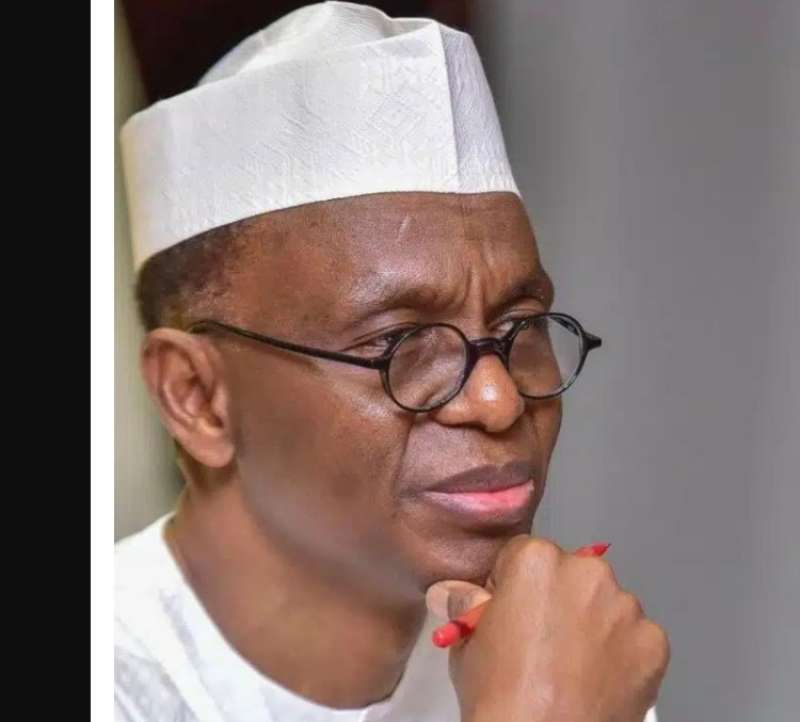
On this page, I have praised former Minister Nasir el-Rufai for his work in the Federal Capital Territory.
As governor, I praised some of his work, including when he fired state teachers. I also criticised him when he became arrogant and presumptuous.
Powerful people tend to misjudge distance, in terms of how long they will remain powerful, as well as the depth of their relevance, measuring how power, once in the hands of others, can remain in their favour.
El-Rufai made both miscalculations. Following over two decades of untouchability in power from Olusegun Obasanjo to Muhammadu Buhari, he has now spent 200 days in pre-trial detention on ICPC and DSS charges.
This should not happen to a citizen, any citizen. But some citizens, when fate grants them the winning lottery ticket, become Cronus, the Titan in Greek mythology who, to maintain his power, swallowed five of his six children soon after birth.
But not Zeus, his youngest son, who miraculously survived and, becoming the supreme ruler of the Olympian gods and the “Father of Gods and Men, “would exact vengeance.
In power, el-Rufai forgot not only the principle of right and wrong, but also the concept of justice.
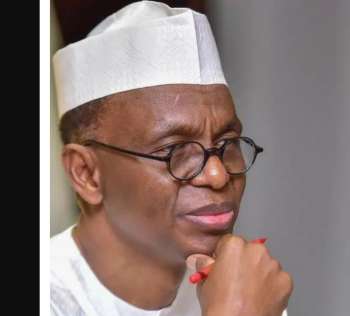
But it was right there the whole time: on the flip side of injustice. The truth is that wearing glasses to be able to see arms, nobody to see through clouds.
Last Tuesday’s disruption by political thugs of the visit to Benue State of Peter Obi, the presidential candidate of the Nigeria Democratic Congress, is an early reminder of the temptations of power in a Nigerian election year.
The ruling party controls the state, which is in the thick of Nigeria’s insecurity crisis. Its governor, Hyacinth Alia, is a Catholic priest. Having, in 2025, been involved in trying to prevent the same Obi from a humanitarian visit, claiming that his intervention was purely on security grounds, Mr Alia is trying to persuade the country that his are not the hands behind the crude attempt to stop, particularly Mr Obi, from travelling freely and safely in the state.
As Minister Festus Keyamo wisely said, this kind of menace is not a part of our democracy. Mr Alia, show the world your strengths, not your limitations.
Big news: the 2024 Auditor-General’s Non-Compliance report, published last month, identified over N1.34trn in audit lapses.
It found that the National Cash Transfer Office paid N33.751 billion to 3,295,207 households in 35 states in 2023 with no evidence that the money reached genuine beneficiaries.
The Office could not produce REMITA records to authenticate the payments. SERAP has written to President Tinubu demanding a published audit trail and investigation of the flagged N78.8bn in total irregularities.
Similarly, Femi Falana (SAN) has called on the EFCC to investigate and prosecute officials.
Given that we are dealing with a specific regime of governance coated in colours of ruthlessness, it is doubtful that these calls will yield anything.
The truth is that the situation is worse than what we know so far, and so, I have a different call: that Nigerians pay close attention to what is actually a long-running looting spree of our poorest and most vulnerable. There is a scorched-earth assault going on.
I begin in 2019, the start of the second term of the fake anti-corruption champion Muhammadu Buhari:
The Auditor-General’s 2019 report on the FGN Consolidated Financial Statements discovered that 36 MDAs made individual transfer payments,totalingN15,534,467,561.26, without identifying the beneficiaries, ignoring the relevant budget lines for “Transfers–Payment to Unemployed” and “Transfers–Payment to Aged/Vulnerable Group.” The Auditor-General flagged the risk of “diversion of public funds” and “misapplication of funds.”
The 2020 report is more curious. In the MDA-by-MDA budget-performance schedule, the National Social Investment Office shows: Approved Budget N0.00, Supplementary Budget N0.00, Total Budget N0.00, but the actual spending is N275,010,764,595.02! That is, the NSIO somehow recorded spending N275bn with no budgetary authorisation at all.
Surely, somebody has an explanation?
The 2021 Non-Compliance report, Volume II, found under the Ministry of Humanitarian Affairs that N54,630,000,000 in N-Power Batch C1 stipends (the August–December 2021 backlog) was recorded as paid but, per the Auditor-General’s own field visits, “was not actually effected to the beneficiaries.”
The same section found N2,617,090,786 paid for the National Home-Grown School Feeding Programme (COVID-19 period), the Auditor-General recommending full recovery to the Treasury: a combined N58.05bn flagged in that one ministry in that one year.
Surely, somebody has an explanation?
The 2022 Non-Compliance file is titled as Volumes I and II merged, but despite that filename, Volume II appears to be absent, as it excludes Humanitarian Affairs, NSIPA, NCTO or NASSCO, meaning that their work was either not audited at all, or that that specific audit has yet to be published.
Again, and similarly, despite examining the two volumes of the 2023 Non-Compliance report, neither the Ministry of Humanitarian Affairs, NSIPA, NCTO, NASSCO, N-Power, GEEP nor school feeding appears anywhere, although many other agencies were thoroughly audited.
Surely, somebody has an explanation?
That brings us to the 2024 itemised findings SERAP has publicized: N33.751bn in cash transfers with no beneficiary confirmation; N36.744bn paid in December 2023 without prepayment audit; N4.616bn in unsupported expenditure which the Auditor-General says “may have been diverted”; N350.18m in enrolment payments to state coordinators with no supporting documentation; N89.51m for store items never delivered or logged; N17.42m in diesel cash advances with no traceable purchases; and at NASSCO, N2.24bn paid through 158 vouchers without prepayment audit.
These appear to be the patterns that Nigerian MDAs exhibit in their work every year, with vulnerable Nigerians exploited every year.
But the first challenge is for journalists to track Humanitarian Affairs/NSIPA through every audit year to establish the full carnage.
There is another crisis: that despite all of this, a lot of MDAs still fail to submit audited accounts to the Auditor-General, representing one of Nigeria’s worst accountability challenges. This is a problem that worsened significantly under the Buhari administration despite his anti-corruption rhetoric. According to the Auditor-General, the 2016 audit year saw the highest number of non-submissions (324) in modern Nigerian history: more than double the previous 22-year high of 148. In 2016-2017 alone, 436 agencies failed to submit accounts. Think about that.
President Bola Tinubu is in the middle of a three-week foreign trip, departing without formally informing the National Assembly or handing over to Vice President Shettima, violating the constitution.
For a man who is seeking a second term of office, this is a stark reminder of how little the rules, or for that matter, Nigeria, really matter to Mr Tinubu. Keep in mind that when he headed north, Mr Shettima headed south, to Angola.
The general debate of the 81st United Nations General Assembly will begin on 22 September. Mr Tinubu is scheduled to speak the following morning.
At a time of chaos and doubt in his leadership, and in democracy under his watch, he will confront the theme: “Restoring trust, managing transformation: a United Nations that delivers for all.”
By Sonala Olumhense